Which Fire Extinguisher for Which Fire? A Safe Guide
Fire extinguishers are not interchangeable. Using the wrong agent can spread flames, conduct electricity, or trigger a dangerous reaction. For anyone asking which fire extinguisher for which fire, the answer starts with the fuel burning, not the color of the canister.
U.S. fire classes A, B, C, D, and K cover common hazards in homes, garages, workplaces, and commercial kitchens. However, evacuation and calling 911 always come first if a fire is growing or blocks your escape.
Key Takeaways
- Match the extinguisher label to the material burning, not the room where the fire starts.
- ABC units handle many ordinary home fires, but not Class D metals or Class K cooking oils.
- Never spray water on electrical equipment, flammable liquids, cooking oil, or combustible metals.
- Fight only a small, early-stage fire with a clear exit behind you.
- Check each extinguisher monthly and replace or service it after any use.
Which Fire Extinguisher for Which Fire? A Class-by-Class Guide
The question of which fire extinguisher for which fire has five main answers. Always read the label for the listed classes and numerical rating before relying on a unit.
| Fire class | What is burning | Common suitable agents |
|---|---|---|
| A | Wood, paper, cloth, cardboard, rubber, many plastics | Water or multipurpose dry chemical |
| B | Gasoline, oil, paint, solvents, propane, flammable gases | Foam, dry chemical, CO2, or clean agent |
| C | Energized wiring, computers, motors, fuse boxes | Dry chemical, CO2, or clean agent |
| D | Magnesium, sodium, titanium, metal powders | Metal-specific dry powder |
| K | Cooking oils and fats, especially deep fryers | Wet chemical |
The U.S. Fire Administration's extinguisher guidance uses these same class categories. An ABC extinguisher can be a useful general-purpose option, but it does not cover every hazard.
The Most Dangerous Extinguisher Mistakes to Avoid
Never use water on energized electrical equipment, flammable liquid fires, or burning cooking oil. Water can conduct electricity, spread liquid fuel, and cause hot oil to splatter violently.
Do not use water, CO2, or standard ABC powder on combustible metal fires. Some metals can react dangerously or burn more intensely. If you can safely cut power to an appliance, the electrical hazard may change, but use an appropriate extinguisher and stay ready to leave.
Class K fires involve cooking media in appliances, not every small pan flare-up. If it is safe, a lid or fire blanket may help with a small pan fire. Do not take risks near flames or smoke.
Why the Label Matters More Than the Canister Color
Extinguisher colors and shapes vary by maker. The printed class symbols, ratings, operating instructions, and inspection tag tell you what the unit can handle. When in doubt about which fire extinguisher for which fire, leave the area and call 911.
How to Choose, Place, and Use the Right Fire Extinguisher
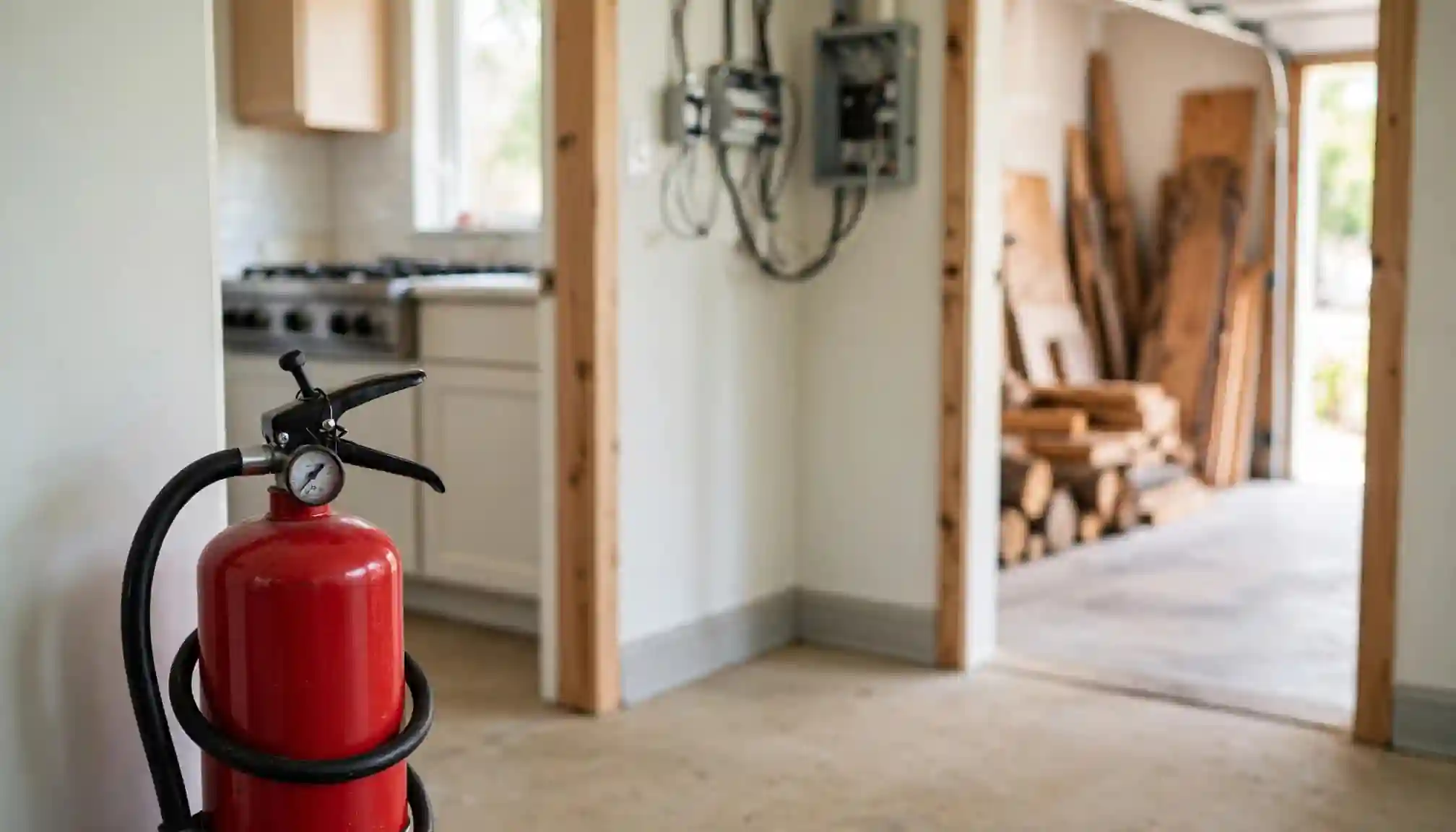
Choose a unit that fits the hazards where you live or work. For example, a garage with gasoline or paint needs Class B coverage, while a commercial fryer needs Class K protection.
Use the PASS method only on a small fire: Pull the pin, Aim at the base, Squeeze the handle slowly, and Sweep side to side. Leave immediately if flames grow, smoke becomes heavy, the exit is blocked, or you must get too close.
Should You Buy an ABC Extinguisher for Your Home?
A properly sized, UL-listed multipurpose ABC extinguisher is often a practical choice for ordinary home fires. It can cover common Class A, B, and C hazards, including paper, gasoline, and energized equipment.
Still, it is not a substitute for a wet chemical unit near deep-frying equipment or a metal-specific agent for Class D hazards. Place it near an exit or normal escape route, not directly beside the stove or behind stored items. NFPA home extinguisher guidance recommends visible, unobstructed units near exits, including in kitchens and garages.
Check It Monthly and Service It After Use
Look for clear access, correct location, proper pressure, damage, corrosion, leaks, an intact seal, a clear nozzle, and readable instructions. Arrange required professional inspection, and recharge or replace any unit after discharge, even if it was only partly used.
A fire extinguisher is useful only when you can reach it without moving toward the fire.
Frequently Asked Questions
Can I Use a Water Extinguisher on Any House Fire?
No. Water extinguishers are mainly for Class A materials such as wood, paper, and cloth. Never use water on electrical equipment, flammable liquids, combustible metals, or cooking oil. Check the extinguisher label before acting.
What Does the ABC Rating on an Extinguisher Mean?
ABC means the extinguisher is designed for ordinary combustibles, flammable liquids and gases, and energized electrical equipment. It does not mean the unit is appropriate for Class D metal fires or Class K cooking oil fires.
Is a Fire Extinguisher Safe to Use on a Microwave or Appliance?
A powered microwave or appliance is a Class C hazard while electricity is present, so water is unsafe. Disconnect power only if you can do so without reaching through smoke or flames, then use an extinguisher labeled for electrical equipment. Evacuation and emergency services take priority.
How Long Do Portable Fire Extinguishers Last?
There is no universal expiration date. Service life depends on the model, manufacturer instructions, pressure, and condition. Follow the service label, and replace a leaking, corroded, damaged, discharged, or low-pressure unit. Workplace equipment may need scheduled professional maintenance under OSHA fire protection requirements.
What Should I Do If an Extinguisher Does Not Put Out the Fire?
Stop fighting the fire, warn others, evacuate, close doors if safe, and call 911. Do not return for belongings or re-enter because flames appear smaller. Smoke, hidden heat, and re-ignition can remain dangerous after visible flames disappear.
Final Thoughts
The safest rule is simple: identify what is burning, then choose an extinguisher labeled for that class. Never improvise with water, especially around electricity, fuel, hot oil, or combustible metals.
Wet chemical extinguishers matter for cooking oils, while Class D fires require metal-specific dry powder. Check every extinguisher's label, location, pressure gauge, and access today, then contact your local fire department or a qualified professional whenever the hazard is uncertain.